Unlike mixed household garbage, commercial operations generate remarkably consistent, high-volume materials—especially shipping boxes, beverage aluminum, clean office paper, and rigid plastic jugs. Capturing those streams cleanly before they reach a landfill compactor benefits manufacturers, local infrastructure, and building operators alike.
Industrial Feedstock vs. Virgin Extraction
Paper mills, aluminum smelters, steel furnaces, and plastic reclaimers rely on recovered scrap as a primary manufacturing input. Refining recycled aluminum cans or pulping clean corrugated cardboard requires substantially less energy and water than harvesting virgin bauxite ore or timber pulp from scratch. Commercial properties sit at the center of that supply chain because receiving docks concentrate clean packaging in one place.
Why Quality Matters More Than Wish-Cycling
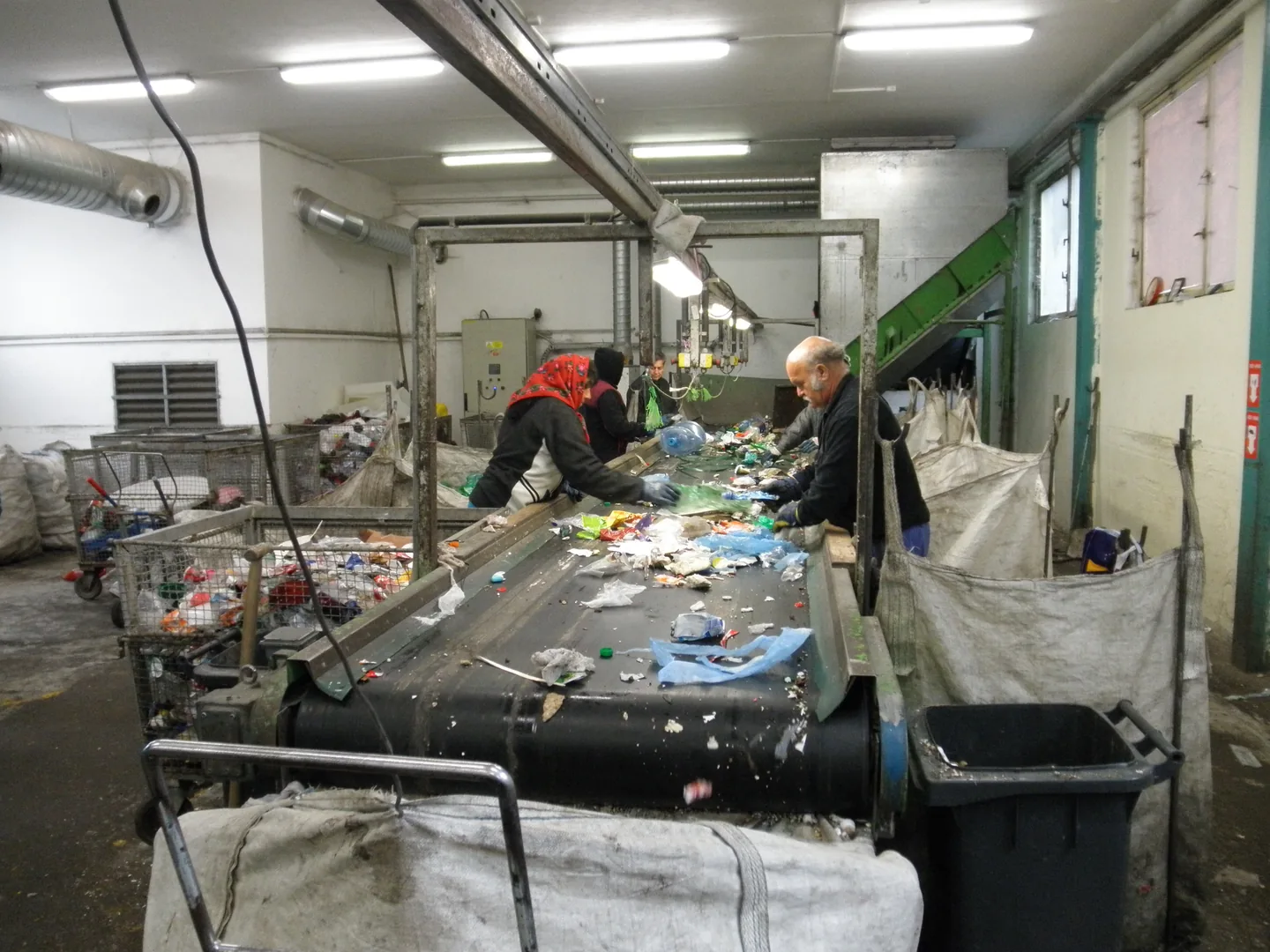
A common pitfall in office and retail recycling is "wish-cycling"—tossing questionable items such as greasy takeout containers, plastic wrap, or broken ceramics into the recycling bin hoping a sorting plant will figure it out. Inside a Materials Recovery Facility (MRF), film plastic jams rotating star screens and wet food smears across clean paper, forcing entire bales to be downgraded or sent to landfill residue.
Focusing strictly on accepted, clean, empty, and dry items protects real material recovery rates and avoids contamination surcharges on commercial hauling invoices.
Key Pillars of an Effective Commercial Recycling Setup
- Separate Cardboard Early: Warehouses and retail stockrooms should keep dry corrugated cartons in a dedicated bin rather than mixing them with breakroom food waste.
- Keep Items Loose: Never tie recyclables inside dark plastic trash bags; sorting crews and automated optical sorters need to see loose containers directly on the belt.
- Pair Every Trash Bin: Whenever a trash bin stands alone in a lobby or breakroom, recyclables inevitably end up inside it. Always place trash and recycling side by side.
To explore dedicated corrugated and single-stream pickup programs, visit our Commercial Recycling service page.