
Scheduled Waste Collection for Commercial & Multi-Family Properties
Dependable curbside, alley, and loading-dock solid waste pickup structured around your weekly generation volume, bin footprint, and property access windows.
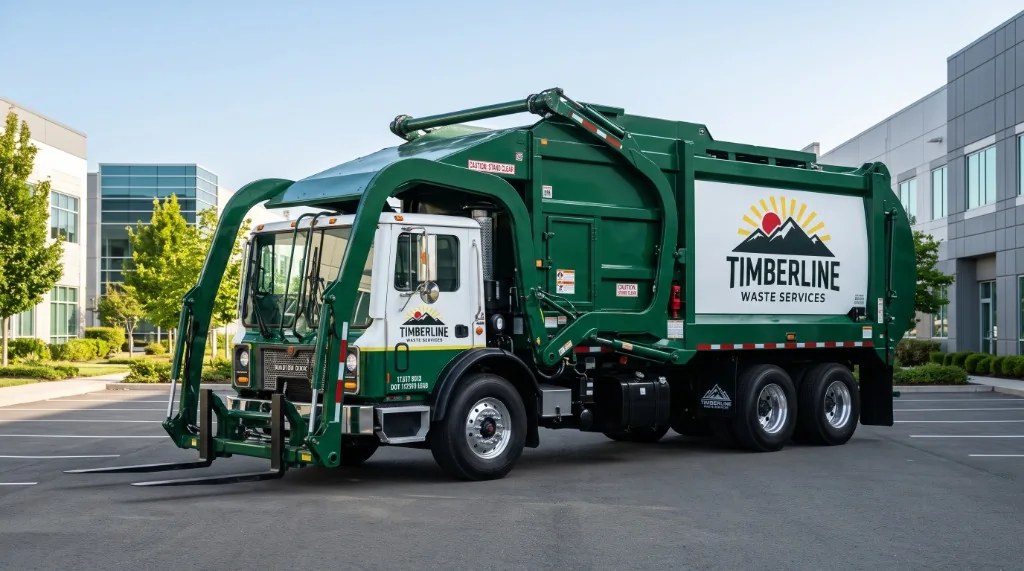
Reliable Daily & Weekly Solid Waste Removal
Consistent waste collection is foundational to workplace hygiene, tenant satisfaction, and municipal code compliance. When trash enclosures overflow onto service alleys or pickup times conflict with morning delivery trucks, property teams lose hours cleaning up loose litter and fielding tenant complaints.
Timberline Waste Services structures recurring waste collection routes around real site conditions. Before deploying containers, we review gate clearances, turning radii, pad surfaces, and peak generation days so the container fleet and haul frequency match your facility without guesswork.
How Waste Collection Works
- Site & Volume Intake: Provide your property address, current bin setup, and whether waste originates from offices, retail storefronts, kitchens, or multi-unit residences.
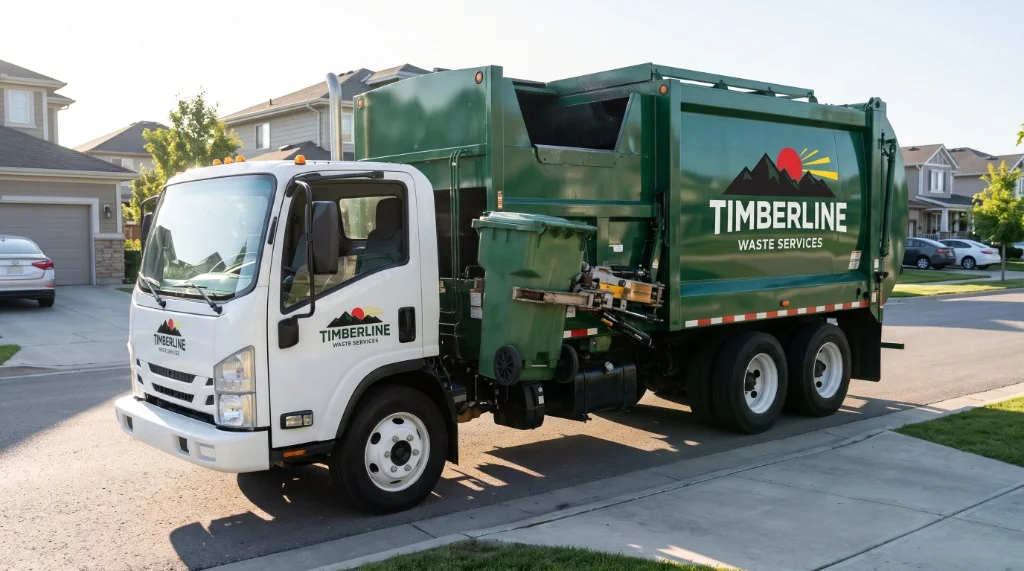
- Container Deployment: We stage durable wheeled carts (64- or 96-gallon) or steel rear-load and front-load dumpsters (2 to 8 cubic yards) with lockable lids where wildlife or unauthorized dumping is a concern.
- Scheduled Route Servicing: Our collection crew services your enclosure on designated weekdays—from once-weekly pulls for small offices to five-day-a-week pickups for busy retail centers.
- Transfer & Stream Verification: Collected solid waste is transported to permitted transfer stations, while drivers flag overflowing bins or prohibited materials so schedules can be adjusted promptly.
Who This Service Suits Best
- Multi-family apartment & townhome complexes
- Office buildings and corporate business parks
- Retail strip centers and standalone shops
- Schools, clinics, and community facilities
- Light commercial workshops and service bays
Key Operational Benefits
- Reduced odor, pest attraction, and alley litter
- Flexible seasonal frequency adjustments
- Right-sized bin footprints for tight enclosures
- Optional locking lid hardware to curb illegal dumping
- Seamless pairing with recycling & organics bins
Container & Operational Specifications
Selecting the proper container geometry depends on physical enclosure width, overhead clearance (particularly for front-load fork arms), and weekly bag volume.
| Container Class | Typical Capacity | Recommended Use Case | Access Requirement |
|---|---|---|---|
| Wheeled Roll Carts | 64 – 96 Gallons | Small offices, cafés, townhomes, narrow side yards | Curb or level walkway access |
| Rear-Load Bins | 2 – 4 Cubic Yards | Mid-size retail, restaurants, tight alleyways | 12 ft width, roll-out apron |
| Front-Load Steel Dumpsters | 4 – 8 Cubic Yards | Multi-family complexes, plazas, warehouses | Straight approach, 22+ ft overhead lift clearance |
Environmental Considerations
General waste collection should serve as the residual backbone of a site—never a catch-all for clean cardboard, metals, or food scraps. During onboarding and ongoing pickups, we encourage pairing general trash containers with clearly labeled Commercial Recycling and Organic Waste streams. Lowering the volume of wet organics and bulky cartons inside general refuse bins directly cuts landfill methane generation and stabilizes hauling costs.
Waste Collection FAQs
Keep liquid paints, motor oil, solvents, car and lithium batteries, tires, electronics, fluorescent lamps, and medical sharps out of general solid waste bins. Clean corrugated boxes and metal cans should also be routed to recycling containers.
Yes. Extra overflow pulls can be requested via the Schedule Pickup page ahead of your next regular service day so debris never piles outside the enclosure.
Lockable gravity bars or padlock hasps can be specified on commercial bins to prevent unauthorized dumping while allowing automated driver release or keyed servicing.