
Roll-Off Dumpster Rental for Renovations, Construction & Cleanouts
Heavy-gauge steel roll-off containers delivered on schedule, positioned cleanly with driveway protection, and swapped or hauled away when your project hits capacity.
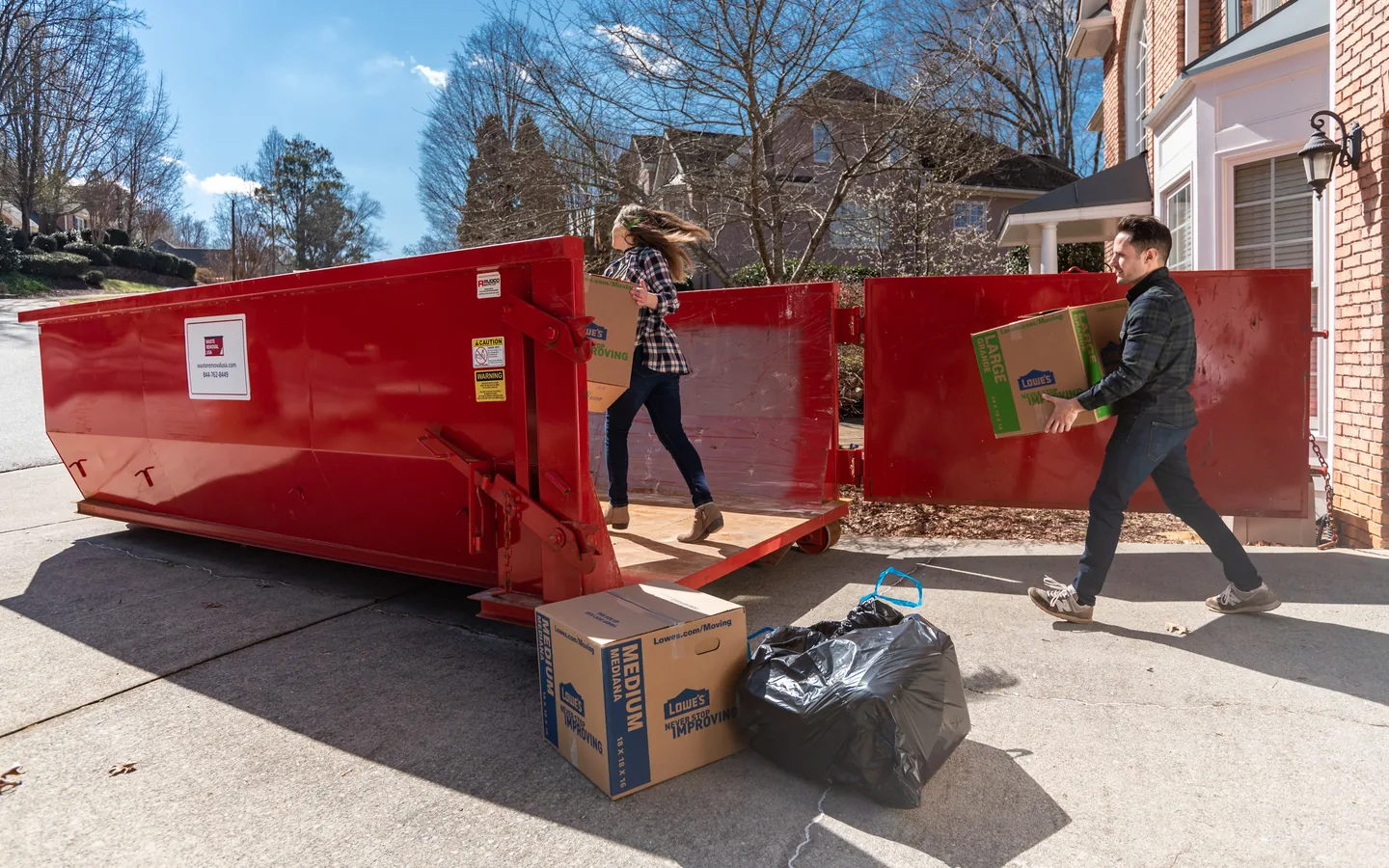
Project Debris Control Without Job-Site Bottlenecks
Demolition debris, drywall offcuts, worn shelving, and bulk cleanout waste quickly overwhelm standard weekly trash bins. Leaving piles on pallets or open tarps creates trip hazards, attracts municipal citations, and slows subcontractor progress.
Our roll-off dumpster rental program delivers rugged open-top containers sized for residential remodels, retail tenant build-outs, roofing teardowns, and warehouse decommissioning—backed by coordinated drop-off, swap-out, and final haul-away scheduling.
How Dumpster Rental Works
- Size & Material Selection: Specify the container yardage and debris type (mixed construction, clean lumber, scrap metal, concrete/brick, or bulky cleanout items).
- Placement Verification: Confirm paved or compacted ground clearance, overhead wire height, and whether walk-in rear swing doors need space to open.
- Scheduled Drop-Off: Drivers place wooden boards or protective skids beneath steel rollers where paved surfaces require protection.
- Swap-Out or Final Haul: Request a live exchange when a bin reaches the fill line, or schedule final removal upon project completion.
Common Applications
- Commercial interior tenant build-outs & strip-outs
- Roofing replacements and siding projects
- Warehouse rack clearings and inventory purges
- Estate cleanouts and multi-family unit turnovers
- Storm debris and fallen-branch clearing
Key Operational Benefits
- Rear walk-in swing doors for safer heavy-item loading
- Coordinated swap schedules keep active crews moving
- Surface-protection boards on finished asphalt/concrete
- Dedicated clean-material bins for recyclable C&D streams
Typical Roll-Off & DIY Dumpster Guide
| Container Size | Approx. Dimensions (L × W × H) | Best Suited For |
|---|---|---|
| 10 – 15 Cubic Yards | 14 ft × 7.5 ft × 4 ft | Small remodels, garage/basement cleanouts, heavy inert debris (concrete/soil) |
| 20 Cubic Yards | 22 ft × 7.5 ft × 4.5 ft | Roofing jobs, kitchen/flooring renovations, mid-sized office cleanouts |
| 30 Cubic Yards | 22 ft × 7.5 ft × 6 ft | Commercial tenant improvements, framing scrap, large estate clearances |
| 40 Cubic Yards | 22 ft × 7.5 ft × 8 ft | Major demolition, warehouse racking/packaging purges, bulky low-density debris |
Environmental & C&D Diversion Considerations
Construction and demolition debris often contains high percentages of recoverable scrap steel, aluminum framing, clean untreated wood, and corrugated packaging. On multi-bin projects, separating clean metal or wood into a dedicated roll-off avoids burying recoverable materials inside mixed C&D loads and supports project-level recycling goals.
Dumpster Rental FAQs
Materials must remain level with or below the top rail of the container so drivers can safely secure a highway tarp prior to transport. Overfilled containers cannot legally travel on public roads and must be leveled before pickup.
No. Dense inert materials like concrete, asphalt, brick, and soil rapidly exceed road axle weight limits in large containers. Heavy inert loads must use smaller 10-yard heavy-duty boxes loaded below strict fill lines.
Containers placed on private driveways or commercial loading pads normally do not require municipal permits, whereas placing a roll-off on a public street or right-of-way generally requires local city permitting arranged before delivery.